(b. 1945)
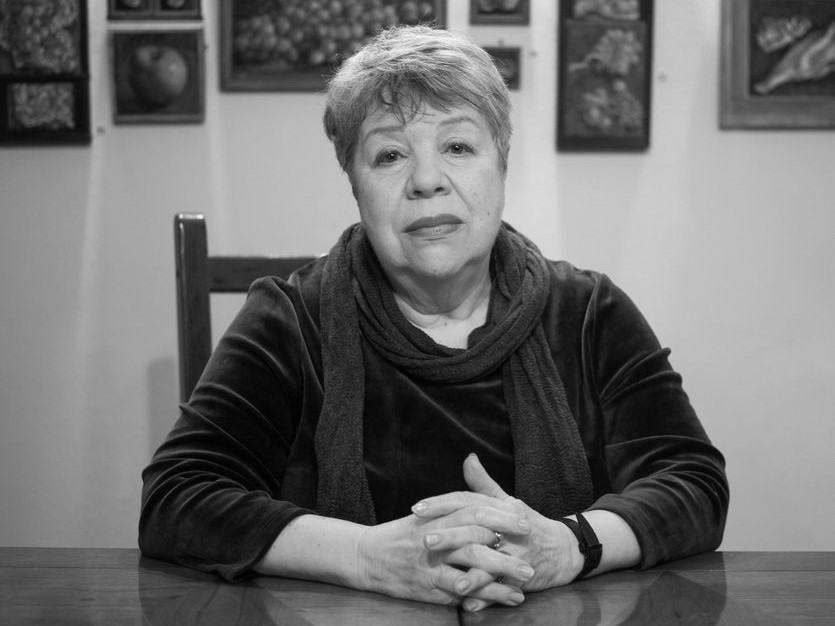
As far as I know, Natasha is the only artisan in the miniatures world who’s known simply by her first name. She grew up in an artistic family in Moscow, surrounded from a young age by musicians, writers and filmmakers, all of whom inspired her love of the arts. After initial training with tutors at home, she entered the Moscow Art School at the age of 11, moving on later to the Moscow Film School. Her first career was in the Russian film industry, although her artistic training also gave her the skills to produce full-size book illustrations, oil and watercolour paintings, sculpture, scene design and animation. In 1977, facing persecution as Jews in their native Russia, she and her husband emigrated to the USA: a traumatic experience which required them to leave behind their family and most of their possessions, and start almost from scratch in their new country. They also had to agree that they would never return to Russia.
But Natasha seems to be an indomitable and remarkable woman. After visiting an exhibition of works by IGMA artisans (International Guild of Miniature Artisans: the gold star of miniaturist accreditation), she decided to try her hand at working on a small scale. Needless to say, her miniature works were rapturously received, and over the past thirty years she has produced all manner of miniature goodies, from painted boxes to elegant painted furniture, screens and paintings. In early 1986, to coincide with the British Treasures exhibition in Washington DC, she created a series of miniatures inspired by the full-size exhibits, which was shown alongside her other work at the Washington Doll’s House and Toy Museum. In December 1999, almost twenty years after her work was profiled in its first dedicated article in the miniaturist press, she had a retrospective of her work at the Tee Ridder Miniatures Museum at the Nassau Country Museum of Art.
I’m only just beginning to get familiar with Natasha’s work, but I find it captivating: her precision, and the charming folk-art style in which she often works, are immediately recognisable. She also produced a range of decoupage panels, designed for particular furniture kits, so that people could enjoy her characteristic style without having to pay the price for original furniture. She doesn’t seem to be producing new miniature work any more, and her pieces can command some terrifyingly high prices on the secondary market. However, we’ve been lucky enough to add a few small pieces to our collection, and are always on the look-out for more!
Here are the works by Natasha in the Quartermaine Hall collection so far:
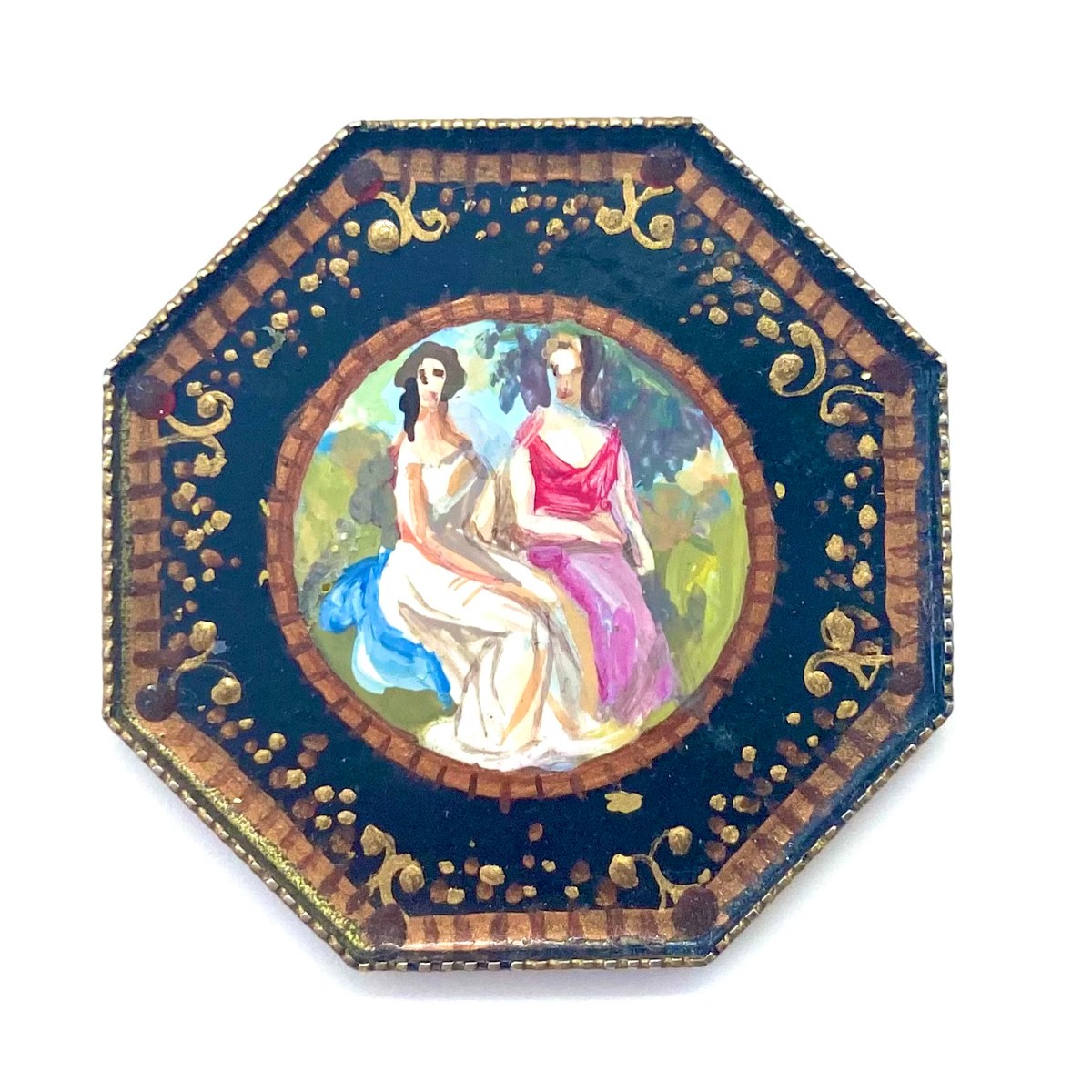
Octagonal Plate with Classical Women
Elegant 2008 painted plate by Natasha Beshenkovsky showing two women in classical dress (2022.186)
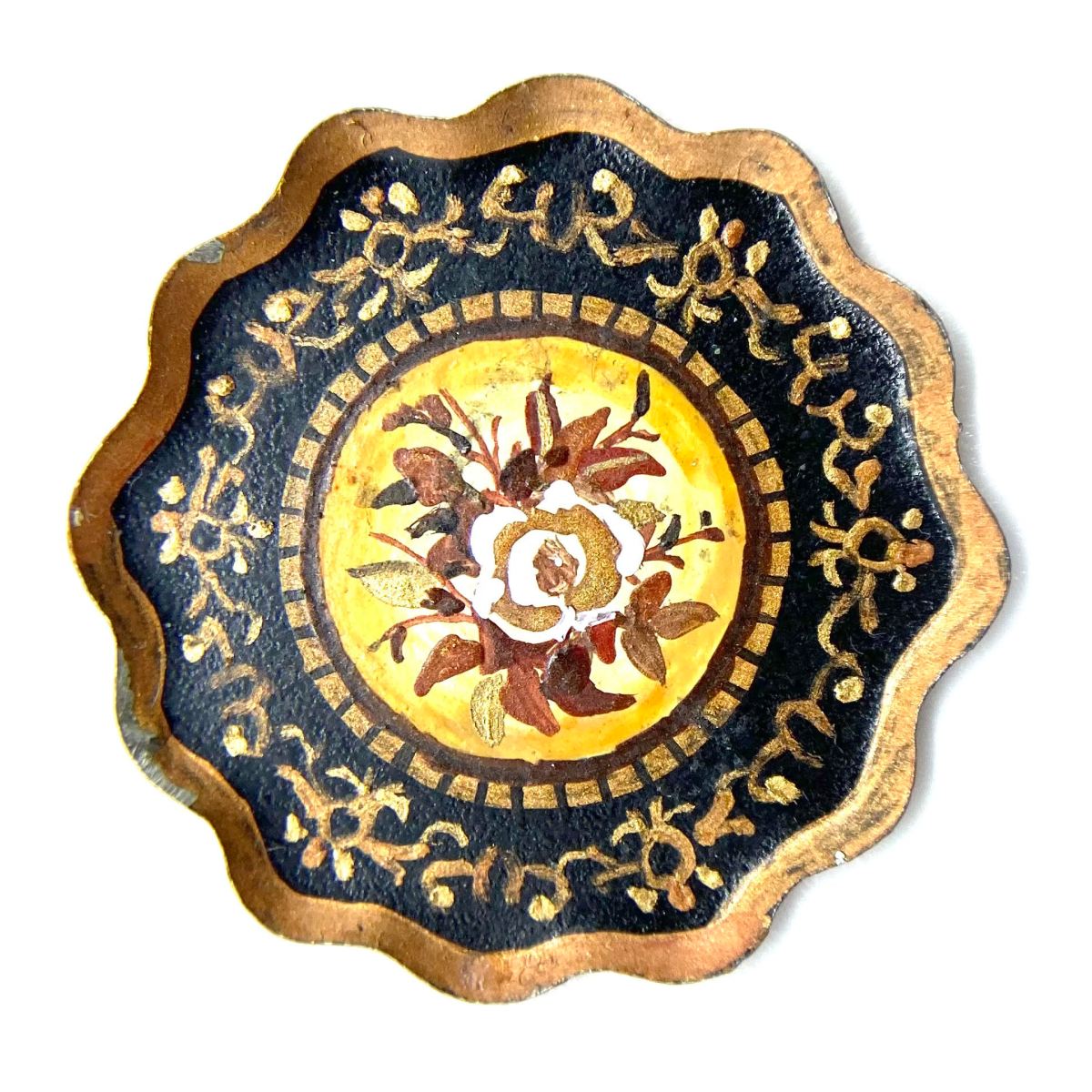
Black Plate with Rose
Elegant little plate with a garland and rose motif by Natasha Beshenkovsky (2022.154)
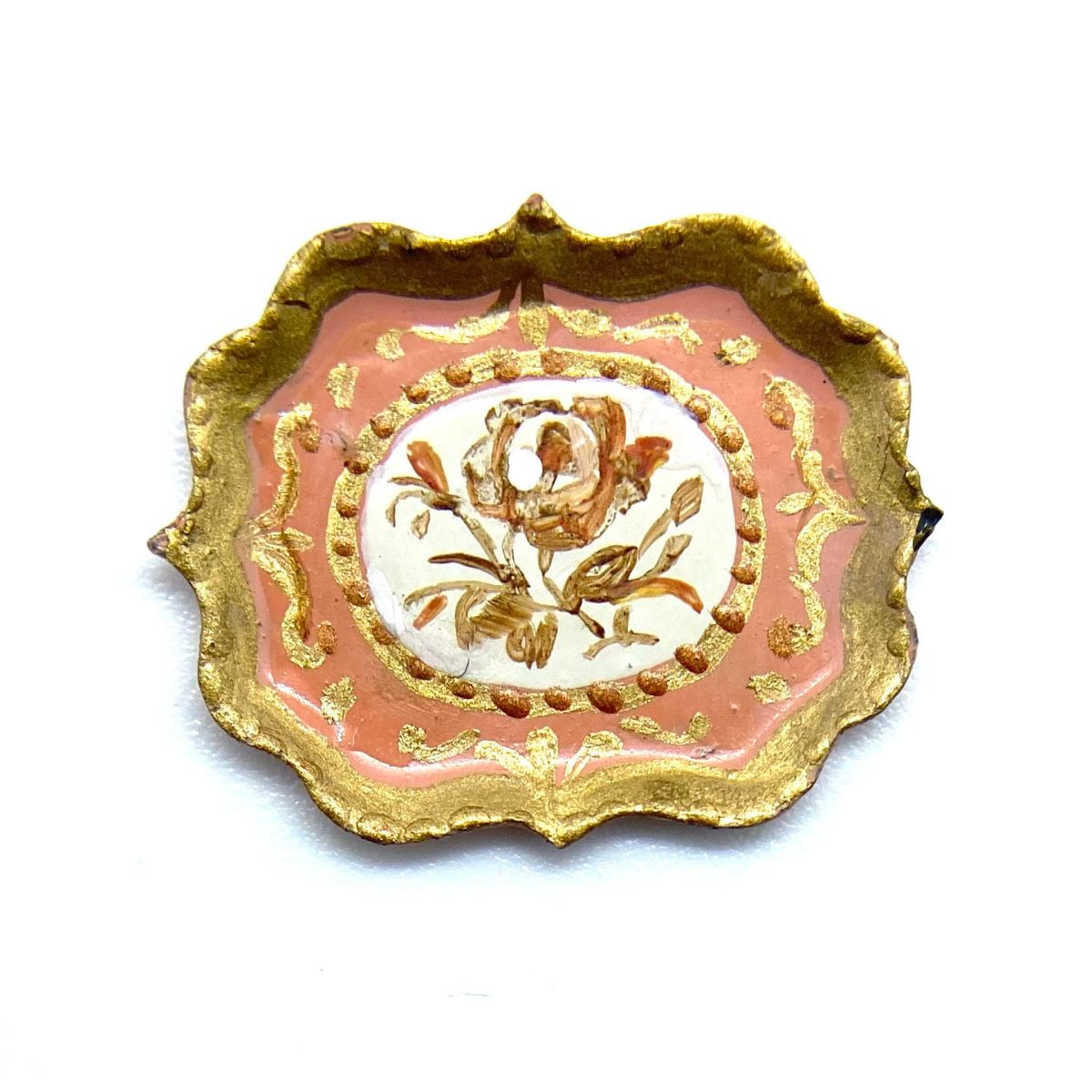
Pink Tray with Roses
Exquisitely feminine tray painted by Natasha Beshenkovsky (2022.159)
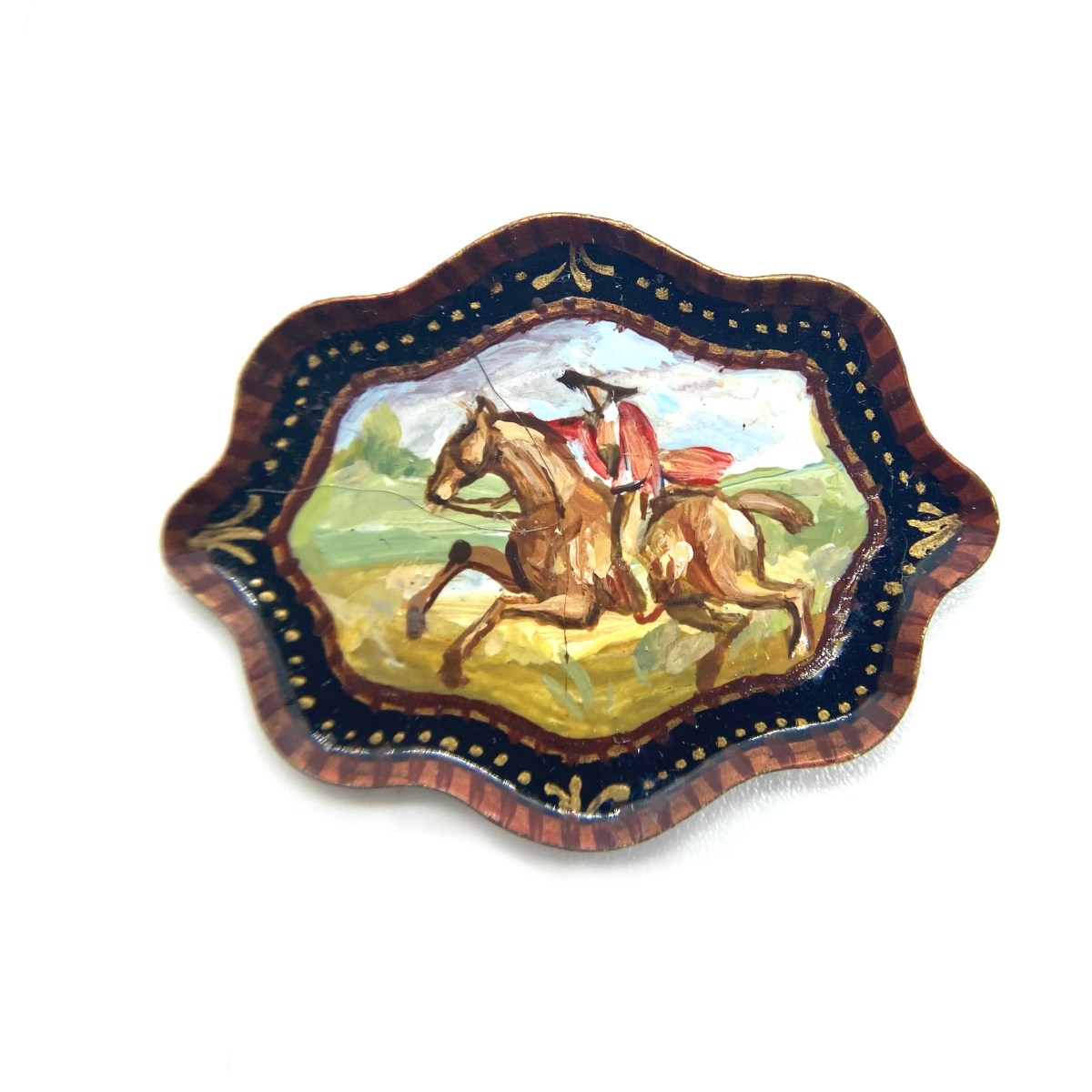
Oval Tray with Hunting Motif
Tray with a motif of a huntsman painted by Natasha Beshenkovsky (2022.155)
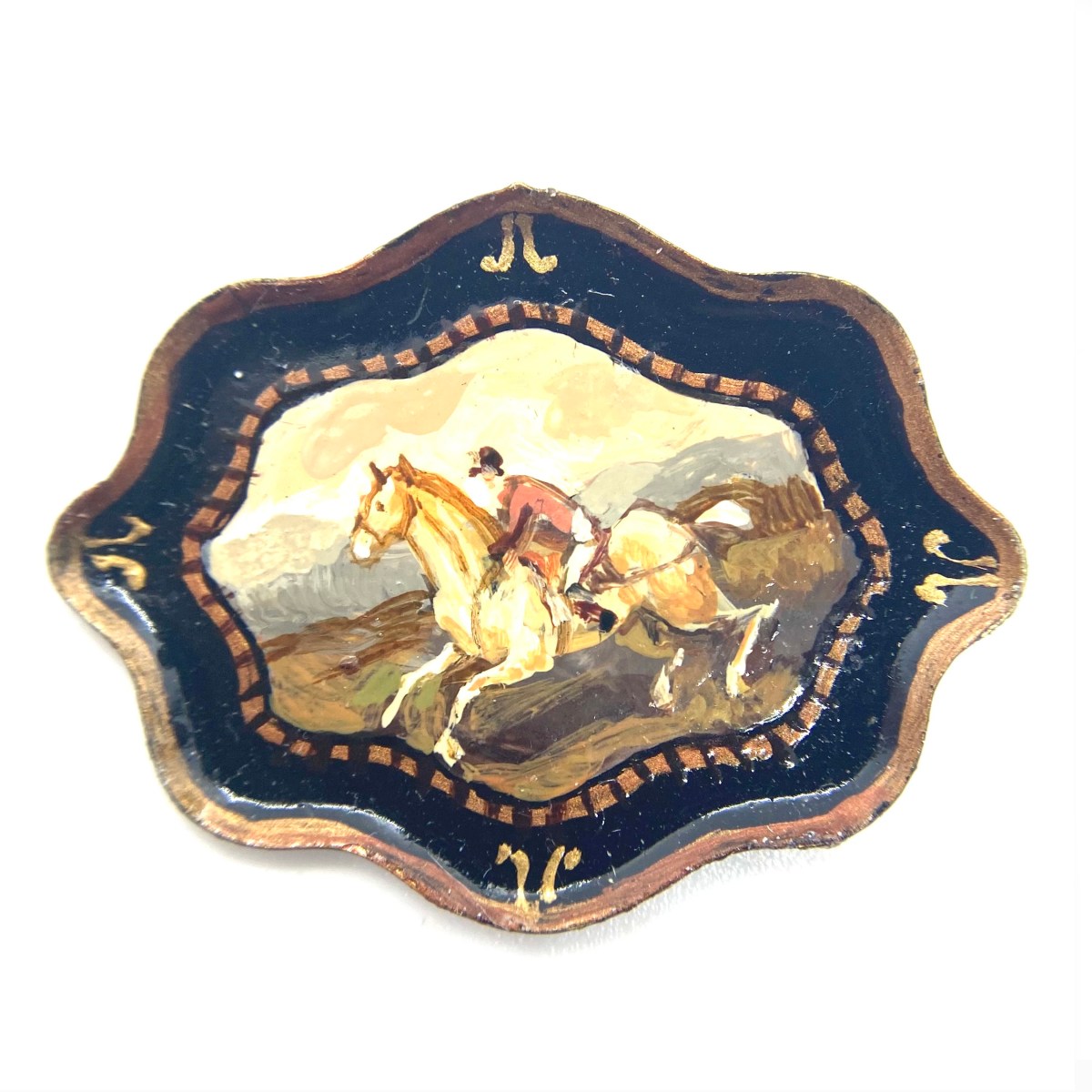
Oval Tray with Hunting Motif
Painted tray with a hunting motif by Natasha Beshenkovsky (2022.156)
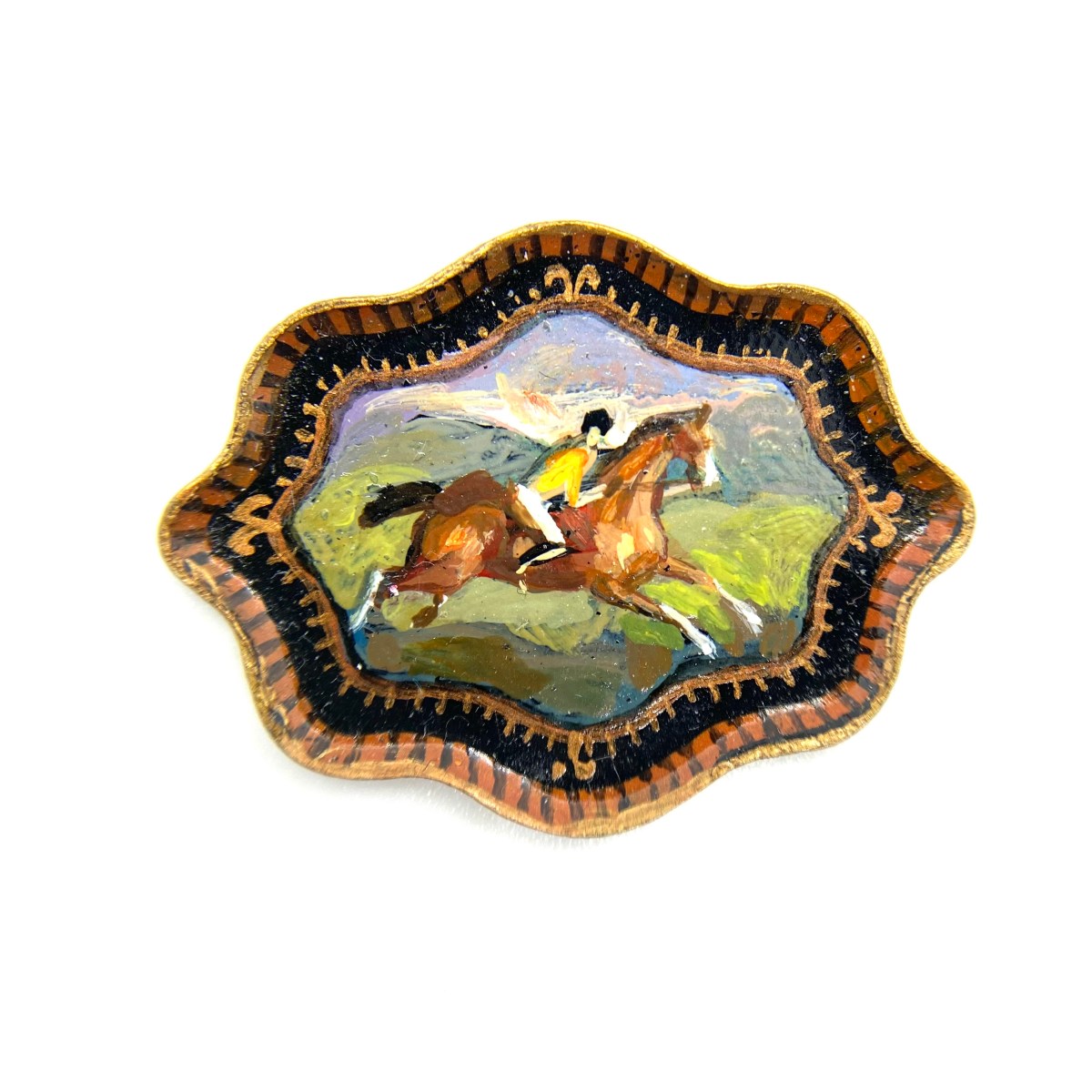
Oval Tray with Hunting Motif
Painted tray with a hunting motif by Natasha Beshenkovsky (2022.157)
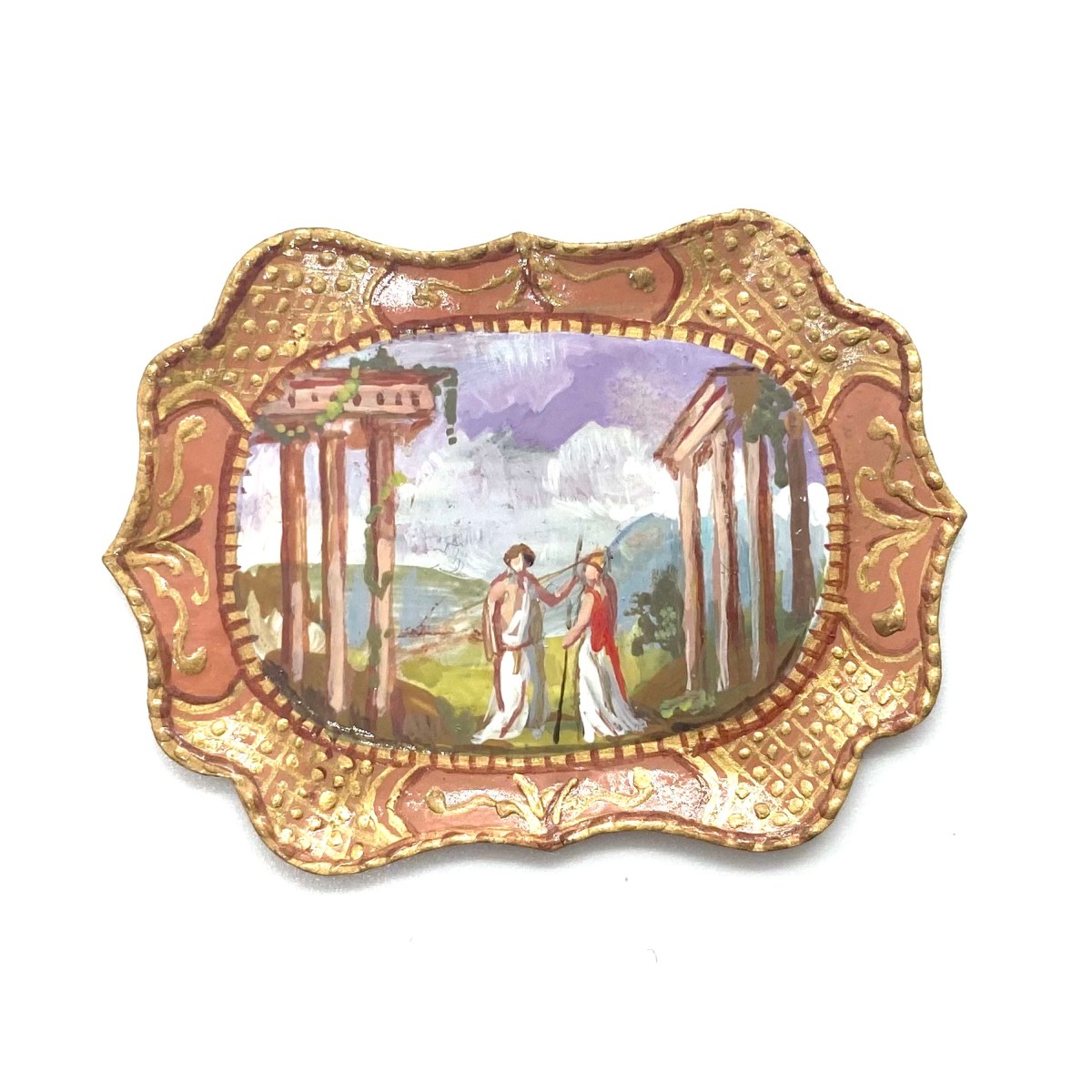
Pink and Bronze Tray with Classical Scene
This tray has been painted with a wonderful Grecian-style scene by Natasha Beshenkovksy (2022.158)
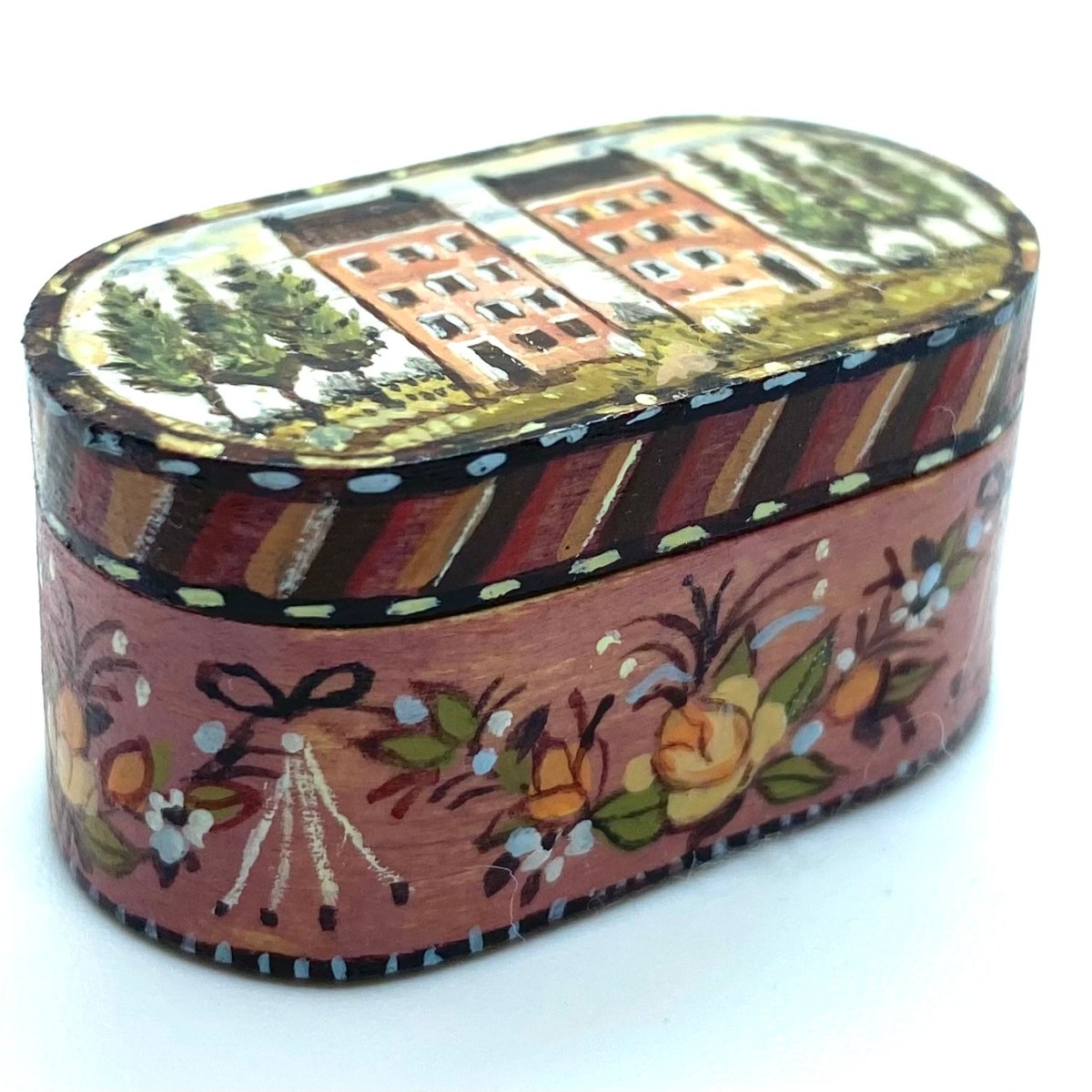
Bride’s Box in Pink
A fine little folk-art box hand-painted by Natasha Beshenkovsky (2021.120)
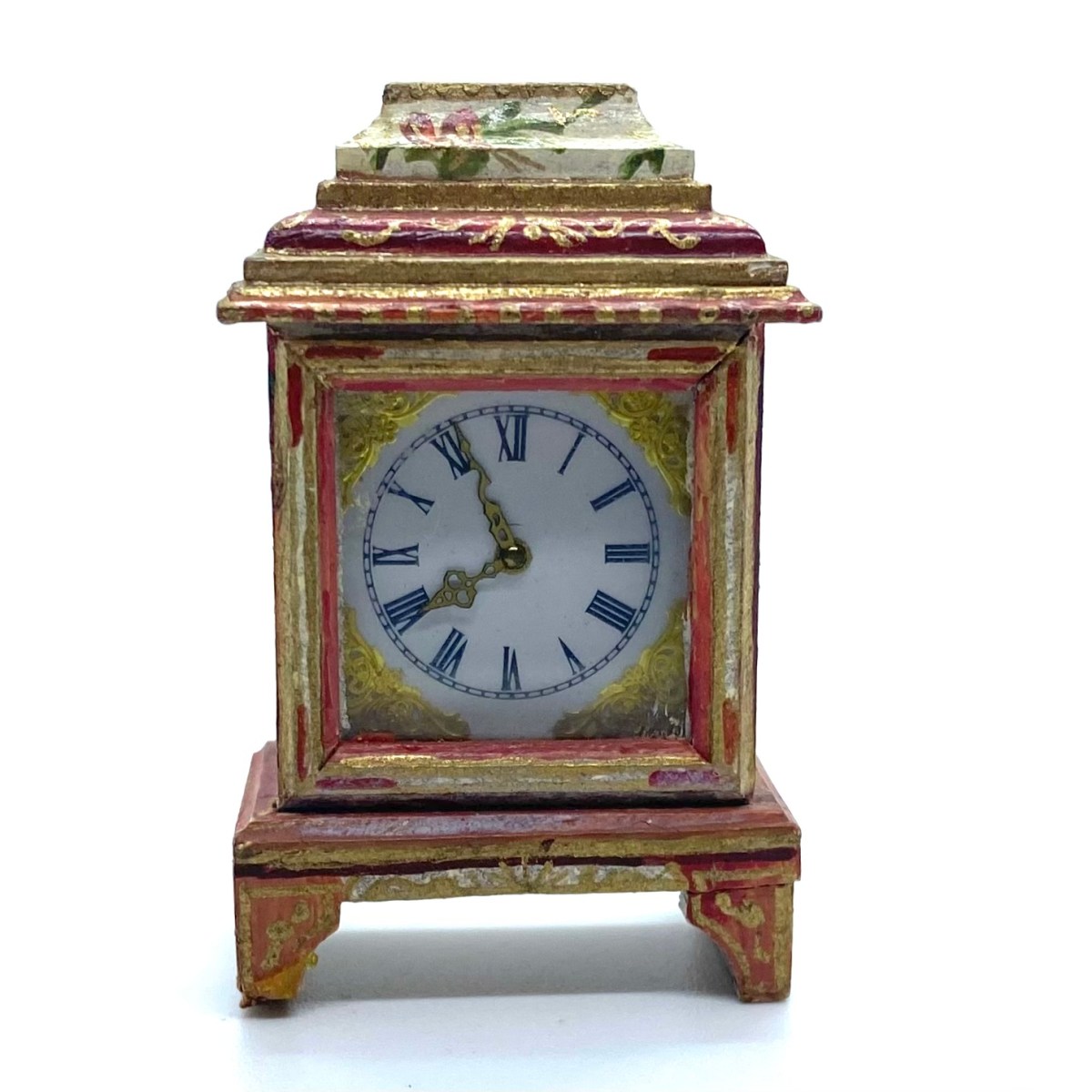
Hand-Painted Table Clock
An elegant clock by Judy Beals, beautifully painted by the celebrated Natasha Beshenkovsky (2021.119)
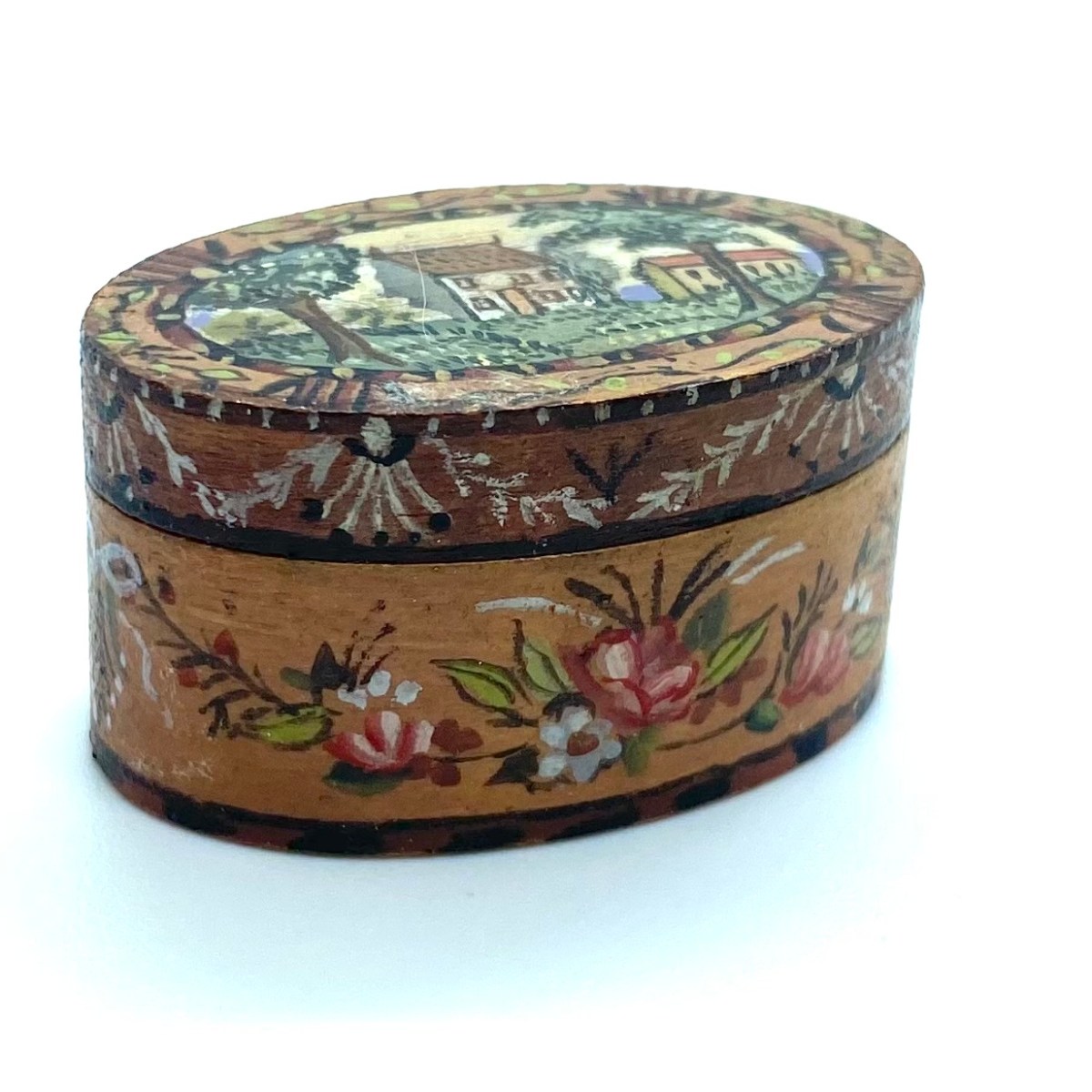
Bride’s Box in Orange
A small storage box beautifully handpainted by Natasha Beshenkovksy (2021.117)
 Quartermaine Hall